Table of Contents
- Introduction
- What Does “Clean Beauty” Mean?
- Why It Matters for Skin & Hair Health
- How to Read Labels and Make Smart Choices
- Product Recommendations
- Conclusion
Introduction
Do you ever pick up a beauty product and wonder: “Is this really clean?” I’ve definitely been there. With so many brands using “clean”, “natural”, “non-toxic” and similar buzzwords, it takes a little savvy to decipher what they truly mean — especially when we care about our skin, hair and health (and want inclusivity for all hair and skin types). In this blog I’ll walk you through what clean beauty means, why it matters for both skin and hair, how you can become a label-reader supremo, and share some Amazon UK picks to get you started.
What Does “Clean Beauty” Mean?
There’s no single legal definition of “clean beauty”. Broadly speaking, the term refers to products formulated without certain harmful or controversial ingredients (e.g., some silicones, sulfates, parabens, synthetic fragrances) and often emphasises transparency, sustainability and ethics. But because there’s no standard mark, brands vary widely in how they use the term.
“Inclusive beauty” means also considering diverse skin and hair types: e.g., the needs of textured hair, pigmented skin, sensitive or reactive skin. Clean beauty should serve everyone.
Why It Matters for Skin & Hair Health
When we use products on our skin and hair everyday, these formulations impact our barrier function, moisture balance, scalp health, hair resilience and more. If a formula is heavy with potential irritants or pore-cloggers, it can lead to breakouts, scalp irritation, frizz, damage. Conversely, a well-formulated clean product can support the barrier, reduce inflammation, and complement your natural texture or skin tone.
If you enjoyed reading “Confessions of a Beauty Expert: The Most Overlooked Rituals That Transform Skin and Hair Health”, you’ll recognise how often product choice is the foundation of consistent results.
How to Read Labels and Make Smart Choices
- Start by scanning the “Active Ingredients” list or first five ingredients: are there known irritants? Unexpected heavy silicones?
- Look for known beneficial ingredients for your skin/hair type: niacinamide, ceramides, shea butter for textured hair, etc.
- Consider ethical and transparency factors: vegan, cruelty-free, cruelty-tested, third-party verified.
- Remember: “natural” ≠ automatically better; check performance and suitability for your skin/hair.
- Be alert for marketing language: buzzwords like “non-toxic” don’t have legal weight.
- Check size of packaging: for textured hair especially, product quantity matters.
Product Recommendations
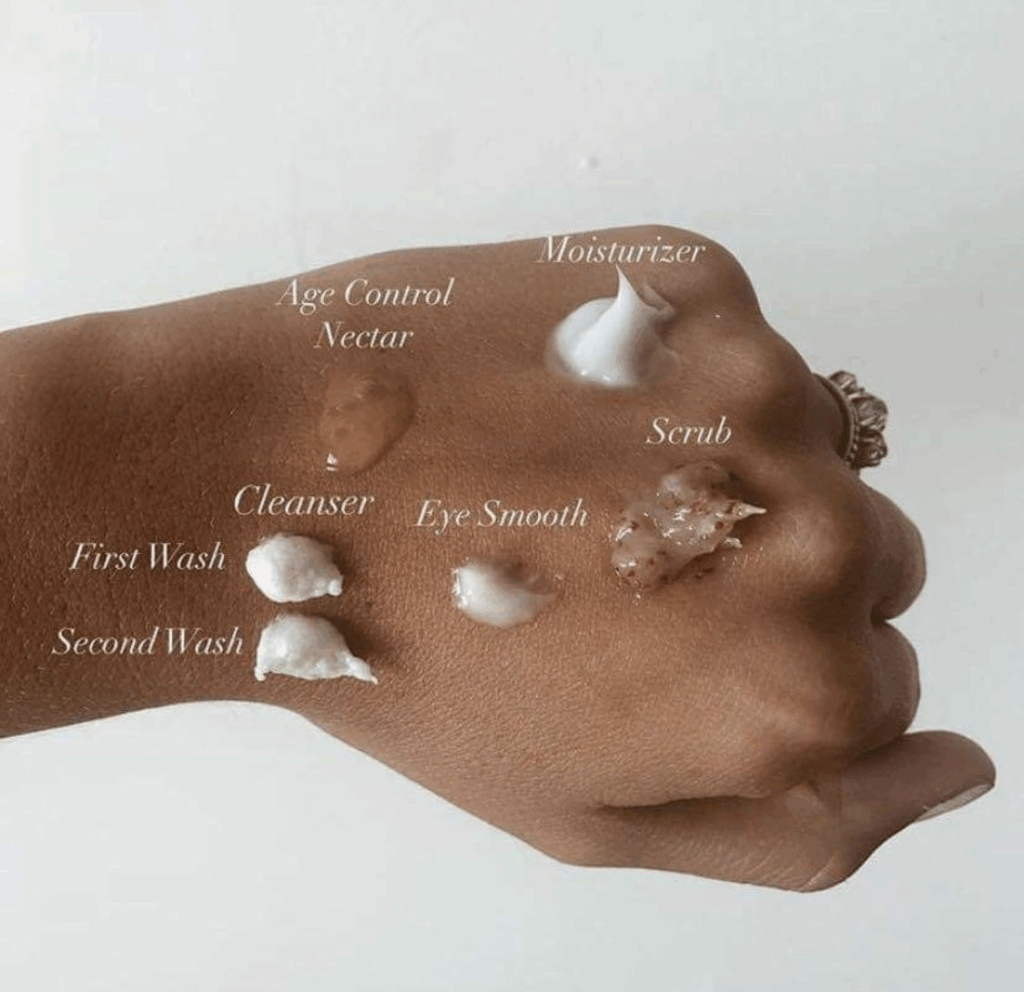
Here are three clean-beauty picks available via Amazon UK for skin and hair.
- Amazon UK Product: Low-irritant, fragrance-light visible-clarity serum (for pigmented or sensitive skin).
- Amazon UK Product: Gentle sulphate-free shampoo for textured hair / curly hair – without harsh surfactants.
- Amazon UK Product: Barrier-repair moisturiser – vegan, with ceramides and minimal fragrance – for skin variety types.
Conclusion
Choosing clean beauty isn’t just a trend — it’s a thoughtful way to support healthier skin and hair across all types, textures and tones. By understanding labels, being aware of your unique needs, and making deliberate choices, you embrace a beauty routine that works with you rather than against. Want support layering those clean products into a full system? Head over to “How to Layer Your Skincare Products Like a Pro” for the step-by-step guide. Because real beauty is inclusive, intelligent and kind.